

1. Ajrakh Print: The Timeless Heritage of Hand Block Printing
Introduction
Ajrakh is one of the most iconic and ancient forms of Indian textile printing.
Known for its deep indigo, madder red, and intricate geometric patterns, Ajrakh
represents centuries of craftsmanship and cultural heritage. At Saajsaambhar,
we proudly bring authentic Ajrakh printed fabrics and unstitched dress materials
that celebrate the beauty of this traditional textile art.
The Origin of Ajrakh Printing
Ajrakh printing traces its roots back to the regions of Gujarat and Rajasthan.
The word “Ajrakh” is believed to have originated from the Arabic word Azrak,
meaning blue. This refers to the deep indigo shades that dominate Ajrakh textiles.
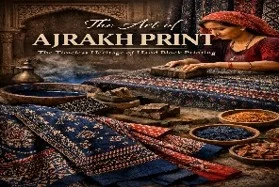
For generations, skilled artisans have practiced this art using hand-carved
wooden blocks and natural dyes. The process involves multiple stages of dyeing,
washing, and printing, which can take several days or even weeks to complete.
The Unique Craftsmanship
What makes Ajrakh fabrics truly special is the precision and patience involved
in their creation. The printing process includes:
- Preparing the cotton fabric
- Applying natural resist pastes
- Printing with hand-carved wooden blocks
- Repeated dyeing with natural colors
- Washing and drying under the sun
Each step requires expertise and careful attention to detail.
Natural Colors in Ajrakh
Ajrakh fabrics are traditionally dyed using natural materials such as:
- Indigo for deep blue shades
- Madder root for rich red tones
- Iron and jaggery mixtures for black hues
These natural dyes give Ajrakh textiles their distinctive earthy and elegant appearance.
Why Ajrakh is Popular Today
In today’s world of fast fashion, Ajrakh stands out as a symbol of slow, sustainable craftsmanship.
Fashion designers and textile lovers appreciate Ajrakh fabrics for their authenticity, beauty,
and eco-friendly nature.
Ajrakh at Saajsaambhar
At Saajsaambhar, we offer a carefully curated collection of Ajrakh printed fabrics and
unstitched dress materials. Our goal is to bring this timeless textile tradition to customers
who appreciate quality, heritage, and elegance.
When you choose Ajrakh from Saajsaambhar, you are not just buying fabric — you are embracing
a piece of India’s cultural legacy.
2. Bagru Print: The Earthy Beauty of Rajasthan’s Textile Art
Introduction
Bagru printing is a traditional block printing technique that originates from the town
of Bagru in Rajasthan. Known for its earthy colors and bold motifs, Bagru printing reflects
the beauty of natural dyes and handmade craftsmanship.
At Saajsaambhar, we proudly showcase Bagru printed fabrics that highlight the charm of this
centuries-old textile tradition.
History of Bagru Printing
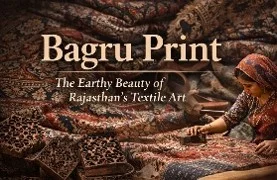
Bagru printing has been practiced for more than 300 years by skilled artisans known as the
Chippa community. These craftsmen use hand-carved wooden blocks to print intricate patterns
on cotton fabrics.
The designs often feature floral motifs, geometric shapes, and nature-inspired elements.
The Traditional Printing Process
The Bagru printing process involves several stages:
- Washing the fabric to remove impurities
- Preparing natural dyes
- Printing the design with wooden blocks
- Drying the fabric in the sun
- Fixing the colors through washing and steaming
Because it is completely handmade, every piece of Bagru fabric has a unique character.
Natural Dyeing in Bagru
One of the defining features of Bagru textiles is the use of natural dyes. These dyes are
derived from organic materials such as:
- Indigo plants
- Pomegranate peels
- Turmeric
- Iron solutions
These ingredients create the distinctive earthy tones that Bagru fabrics are known for.
Why Bagru Prints Are Loved Today
Bagru prints are admired for their rustic beauty and timeless elegance. They are commonly used in:
- Sarees
- Salwar suit materials
- Dupattas
- Home textiles
Their natural colors make them perfect for both traditional and contemporary styles.
Bagru Collection at Saajsaambhar
At Saajsaambhar, we bring authentic Bagru printed fabrics and unstitched dress materials
that reflect the true essence of Rajasthan’s textile heritage.
Our mission is to support traditional craftsmanship while offering high-quality fabrics
to our customers.
3. Indigo Natural Dye: The Blue Heritage of Indian Textiles
Introduction
Indigo dyeing is one of the oldest textile dyeing techniques in the world. India has been
famous for natural indigo dye for centuries, producing deep blue fabrics admired across the globe.
At Saajsaambhar, we celebrate this heritage by offering fabrics dyed with natural indigo
and crafted through traditional printing techniques.
The History of Indigo Dye
Indigo dye comes from the leaves of the Indigofera plant. India was once the largest producer
of indigo dye, and Indian indigo fabrics were traded internationally for hundreds of years.
The deep blue shade produced by natural indigo became a symbol of luxury and sophistication.
The Indigo Dyeing Process
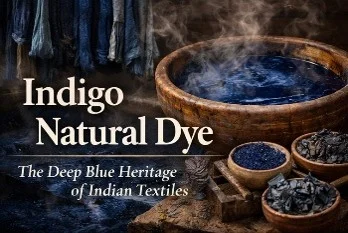
The dyeing process involves fermenting indigo leaves to extract the dye. The fabric is then
dipped repeatedly into the dye vat to achieve the desired shade of blue.
As the fabric oxidizes in the air, it transforms into the characteristic indigo color.
Benefits of Natural Indigo
Natural indigo offers several advantages:
- Eco-friendly dyeing process
- Gentle on the skin
- Long-lasting color
- Unique natural variations
Each indigo-dyed fabric has a distinctive look that cannot be replicated by synthetic dyes.
Indigo in Modern Fashion
Today, indigo fabrics are widely used in:
- Sarees
- Dresses
- Kurtas
- Scarves
- Contemporary fashion garments
Their versatility makes them suitable for both traditional and modern styles.
Indigo Fabrics at Saajsaambhar
At Saajsaambhar, we carefully select indigo-dyed fabrics that combine traditional techniques
with premium quality.
Our collection celebrates the timeless beauty of natural dyes and Indian textile heritage.
4. Kantha Embroidery: The Soul of Bengal’s Textile Tradition
Introduction
Kantha embroidery is one of the most cherished textile traditions of Bengal. Known for its
delicate running stitches and artistic patterns, Kantha transforms simple fabrics into
beautiful handcrafted pieces.
At Saajsaambhar, we proudly offer Kantha textiles that showcase the creativity and heritage
of this traditional craft.
The Origin of Kantha
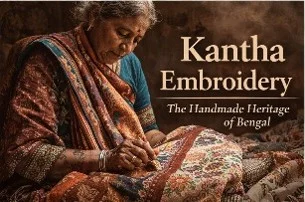
Kantha embroidery originated as a household craft practiced by women in rural Bengal.
Traditionally, old sarees and cloth layers were stitched together using simple running
stitches to create quilts and blankets.
Over time, this humble craft evolved into a respected textile art.
The Unique Kantha Stitch
The signature feature of Kantha embroidery is the running stitch, which creates beautiful
textures and patterns across the fabric.
Designs often include:
- Floral motifs
- Animals and birds
- Geometric patterns
- Folk art elements
Each piece is handmade and unique.
Cultural Significance
Kantha embroidery reflects the creativity and storytelling traditions of Bengali culture.
Many designs depict scenes from everyday life and folklore.
Because every piece is handcrafted, Kantha textiles carry emotional and cultural value.
Kantha in Contemporary Fashion
Today, Kantha embroidery is widely used in:
- Sarees
- Dupattas
- Dress materials
- Jackets
- Home décor items
Its artistic charm makes it popular in both traditional and modern fashion.
Kantha Collection at Saajsaambhar
At Saajsaambhar, we offer carefully selected Kantha fabrics that combine traditional
craftsmanship with elegant design.
Each piece represents the warmth and creativity of handmade textiles.
5. How to Identify Authentic Hand Block Printed Fabrics
Introduction
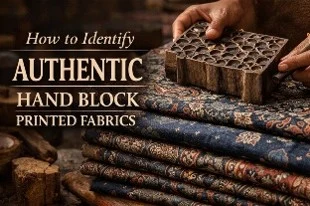
Hand block printing is one of the most admired textile traditions in India. However, with
the rise of machine printing, it has become difficult for customers to identify authentic
handcrafted fabrics.
At Saajsaambhar, we believe in educating customers about genuine hand block prints so they
can appreciate the value of traditional craftsmanship.
What is Hand Block Printing?
Hand block printing involves stamping patterns onto fabric using hand-carved wooden blocks.
Each color in the design requires a separate block and careful alignment.
This makes the process labor-intensive but highly artistic.
Signs of Authentic Hand Block Prints
-
Slight Imperfections
Hand block prints often have minor irregularities. These imperfections are proof
of handmade craftsmanship. -
Color Overlaps
Because the printing is done manually, slight color overlaps can occur.
-
Visible Block Marks
You may notice subtle block impressions or pressure marks on the fabric.
-
Natural Dye Variations
Fabrics dyed with natural colors may show slight variations in shade.
Why Choose Hand Block Printed Fabrics
Hand block printed textiles offer several benefits:
- Unique designs
- Sustainable production
- Support for traditional artisans
- Rich cultural heritage
These fabrics are not just garments but works of art.
Saajsaambhar’s Commitment to Authenticity
At Saajsaambhar, we carefully source authentic hand block printed fabrics including
Ajrakh, Bagru, Dabu, Kalamkari, and Indigo prints.
Our goal is to preserve India’s textile heritage while providing high-quality fabrics
to our customers.
When you choose Saajsaambhar, you choose authenticity, tradition, and craftsmanship.